

Best Web Developers in Melbourne 2026 - How to Choose
Find the best web developers in Melbourne 2026. Learn what to look for, how to evaluate agencies, red flags to avoid, and questions to ask before hiring your next web development partner.
The short answer
Find the best web developers in Melbourne 2026. Learn what to look for, how to evaluate agencies, red flags to avoid, and questions to ask before hiring your next web development partner.
Choosing the right web developer can make or break your online presence. Hire the wrong agency, and you'll end up with a slow, hard-to-maintain website that doesn't drive business results. Choose wisely, and you'll have a competitive advantage for years.
This guide shows you how to identify the best web developers in Melbourne, what questions to ask, and how to avoid costly mistakes.
What to remember
The right approach to Best Web Developers in Melbourne 2026 - How to Choose starts with a clear outcome, trustworthy information and evidence from real use. Treat tools and trends as choices to evaluate—not substitutes for judgement.
Clarify the business goal
Plan content and journeys
Design mobile first
Build an accessible system
Optimise performance
Measure and iterate
Clarify the business goal
Plan content and journeys
Design mobile first
Build an accessible system
Optimise performance
Measure and iterate
What Makes a Great Web Developer in Melbourne?
1. Proven Track Record
Checklist:
- [ ] Portfolio with 20+ real projects
- [ ] Case studies showing business results (traffic, conversions, ROI)
- [ ] Clients in your industry
- [ ] Projects similar to your scope
- [ ] Before/after metrics (not just design, but performance)
Red Flags:
- Generic portfolio without details
- Stock photos used as examples
- No business outcomes mentioned
- Too few projects shown
2. Technical Expertise
Modern Stack (2026 Standard):
- Frontend: React, Vue, Next.js (not just WordPress)
- Backend: Node.js, Python, Ruby, or PHP
- Databases: SQL, NoSQL
- DevOps: CI/CD pipelines, cloud platforms
- SEO: Schema markup, performance optimization
- Security: SSL, firewalls, data protection
Full-Stack Capability:
- Can handle design through deployment
- Understands both frontend and backend
- Experienced with databases and APIs
- Knows mobile-first design
Red Flags:
- Only knows WordPress or Wix
- No backend development experience
- Unfamiliar with modern frameworks
- Can't explain their technical decisions
3. SEO & Performance Focus
Questions to Ask:
- Do they implement SEO during development?
- What's their average page load time?
- Do they set up schema markup?
- How do they handle mobile optimization?
- Do they use CDNs and caching?
What They Should Know:
- Core Web Vitals (LCP, FID, CLS)
- SEO best practices (structure, markup, UX signals)
- Performance optimization techniques
- Image optimization and lazy loading
- Mobile-first design philosophy
Red Flags:
- No mention of SEO or performance
- Web pages loading in >3 seconds
- Not optimized for mobile
- No metrics discussed
4. Communication & Project Management
Look For:
- Regular updates (weekly or bi-weekly)
- Clear communication before starting
- Project milestones defined upfront
- Revision policy explained
- Timeline clearly stated
- Responsive to questions
Process Elements:
- Discovery phase (understand your business)
- Wireframes/approval before design
- Testing phase before launch
- Post-launch support defined
Red Flags:
- Vague on timeline or scope
- No discovery phase
- Doesn't explain their process
- Slow to respond to questions
5. Business Understanding
The Best Developers:
- Ask about your business goals first
- Suggest solutions aligned with revenue
- Understand your target audience
- Think about conversions, not just aesthetics
- Recommend features based on ROI
Questions They Should Ask You:
- What's your main business goal for this website?
- Who is your target customer?
- What action do you want visitors to take?
- What's your budget for this project?
- What's your timeline?
- Who are your competitors?
- What's your post-launch support need?
Red Flags:
- Jumps to designing without asking questions
- No interest in your business goals
- Creates features you didn't request
- Doesn't discuss ROI or conversions
6. Support & Maintenance
Best Practices:
- Free support for 3–6 months post-launch
- Clear maintenance plan available
- Retainer model for ongoing optimization
- Training on how to use the website
- Documentation provided
- Emergency support availability
Red Flags:
- Website handed over with no support
- Expensive maintenance packages
- No training on CMS usage
- Unreachable after launch
Red Flags: When to Avoid a Melbourne Web Developer
⚠️ Major Red Flags
| Red Flag | What It Means | |----------|--------------| | Very cheap quotes ($1,000–$2,000 for complex sites) | Quality will suffer; shortcuts taken | | Uses template/drag-and-drop builder exclusively | Inflexible, hard to customize, poor SEO | | No questions asked about your business | Won't align solution with your goals | | Vague timeline or scope | Likely to overrun budget/timeline | | No portfolio or case studies | No proven track record | | Poor website performance (slow loading) | Doesn't practice what they preach | | Can't explain technical decisions | Likely inexperienced | | Overpromises unrealistic results | Setting you up for disappointment | | Demands full payment upfront | Higher risk if they disappear | | Won't sign agreement or scope document | No accountability |
Questions to Ask Potential Melbourne Web Developers
About Their Experience
Question 1: "Can you show me projects similar to mine?"
- Look for industry/scope similarity
- Check if results (traffic, conversions) are mentioned
- Review how they describe their process
Question 2: "How long have you been developing websites?"
- 5+ years is solid
- Less than 2 years: higher risk
Question 3: "What's your tech stack?"
- Should mention modern frameworks (React, Vue, Next.js)
- Should understand databases and APIs
- Should mention security and performance tools
Question 4: "Can you provide client references?"
- Contact 2–3 recent clients directly
- Ask: "Would you hire them again? Why/why not?"
- Ask about quality, communication, support
About Your Project
Question 5: "What will you do to understand my business?"
- They should want to interview you
- Should ask about goals, target audience, competitors
- Should discuss ROI and KPIs
Question 6: "What's your process?"
- Should have defined steps: Discovery → Design → Development → Testing → Launch
- Should include approval checkpoints
- Should mention timelines for each phase
Question 7: "How do you handle scope creep?"
- Should have clear revision policy
- Should define what's included vs. extra
- Should have change request process
About SEO & Performance
Question 8: "How will you optimize for SEO?"
- Should mention: schema markup, meta tags, site structure, mobile optimization
- Should implement during development, not after
- Should explain technical SEO approach
Question 9: "What's your average page load time?"
- Should be under 3 seconds for homepage
- Should use Google PageSpeed Insights
- Should mention CDN and caching strategies
About Pricing
Question 10: "What's included in your quote?"
- Design, development, testing, deployment
- Support duration
- Revision limits
- Hosting and SSL
- Training
Question 11: "What costs extra?"
- Additional pages beyond initial scope
- Additional features
- Extra revisions
- Third-party integrations
- Content creation
Question 12: "What are your payment terms?"
- Full upfront? (risky)
- 50/50 split? (standard)
- Per milestone? (best)
- Should have reasonable payment schedule
About Support
Question 13: "What's included after launch?"
- How many months of free support?
- What does support cover?
- How do I report issues?
- What's the response time?
Question 14: "What's the ongoing maintenance cost?"
- Should offer monthly retainers
- Should explain what's included
- Should give you options (DIY vs. managed)
How to Evaluate Melbourne Web Developers: Step-by-Step
Step 1: Gather Recommendations (Week 1)
- Ask your network (other business owners, colleagues)
- Search "best web developers Melbourne" + review sites
- Check Google Map reviews
- Look on LinkedIn for agencies with strong client reviews
Step 2: Review Portfolios (Week 1–2)
- Visit their websites (judge by their own standards)
- Check 5–10 portfolio projects
- Look for variety (different industries, styles)
- Check if projects are responsive and fast
Step 3: Request Quotes (Week 2)
- Contact 3–5 agencies
- Provide same project brief to all
- Ask for itemized quotes (not just total)
- Ask for timeline and process
Step 4: Conduct Initial Consultation (Week 2–3)
- Phone or video call with each
- Ask the questions above
- Assess communication style and enthusiasm
- Note how they ask about YOUR business
Step 5: Request References (Week 3)
- Ask for 2–3 recent client references
- Call them directly
- Ask specific questions about quality and results
- Ask if they'd hire again
Step 6: Compare & Decide (Week 3–4)
Scoring System (Simple Method):
| Factor | Weight | Agency A | Agency B | Agency C | |--------|--------|----------|----------|----------| | Portfolio Quality | 25% | 8 | 9 | 7 | | Technical Expertise | 25% | 8 | 9 | 6 | | Communication | 15% | 8 | 8 | 8 | | Price/Value | 20% | 7 | 7 | 8 | | References | 15% | 8 | 9 | 7 | | TOTAL SCORE | 100 | 7.75 | 8.30 | 7.15 |
Common Melbourne Web Developer Types & When to Choose Each
Type 1: Freelancer ($50–$120/hour)
Best For: Small projects, tight budgets, simple websites Pros: Affordable, personal attention Cons: Limited capacity, single point of failure, less support Choose If: Budget is primary concern, project is simple
Type 2: Small Local Agency (2–5 people)
Best For: Small to medium projects, local support needed Pros: Good personal attention, local expertise, reasonable pricing Cons: Limited resources, may lack specialists Choose If: You want local support and reasonable pricing
Type 3: Mid-Range Agency (10–30 people)
Best For: Medium to large projects, ongoing support needed Pros: Full team (designer, dev, QA, PM), expertise, professional process Cons: Slightly higher cost, less personal attention than small agency Choose If: Need proven process, ongoing support, complex project
Type 4: Enterprise/Large Agency (50+ people)
Best For: Large brands, complex platforms, comprehensive services Pros: All services in-house, proven track record, 24/7 support Cons: Premium pricing, may be overkill for smaller projects Choose If: Large budget, complex requirements, need full-service provider
Top Skills to Look For in Melbourne Web Developers (2026)
Essential Skills
- [ ] Modern frontend framework (React, Vue, Next.js)
- [ ] Backend development (Node.js, Python, PHP)
- [ ] Database design (SQL, noSQL)
- [ ] Mobile-responsive design
- [ ] SEO fundamentals
- [ ] Web accessibility (WCAG standards)
- [ ] Git version control
- [ ] API integration
Valuable Skills
- [ ] Cloud platforms (AWS, Google Cloud, Azure)
- [ ] DevOps/CI-CD
- [ ] Advanced CSS/animations
- [ ] Performance optimization
- [ ] AI/ML integration
- [ ] Headless CMS experience
- [ ] E-commerce platforms
- [ ] Web security best practices
Nice-to-Have Skills
- [ ] Mobile app development
- [ ] Data analytics
- [ ] UX/UI design
- [ ] Copywriting/content strategy
- [ ] Digital marketing knowledge
- [ ] Project management certification
How much should I expect to pay for web development in Melbourne?
Expect $5,000–$30,000 for a professional website in Melbourne. Freelancers: $3,000–$12,000. Small agencies: $8,000–$25,000. Mid-range agencies: $20,000–$50,000. Price varies by complexity, design customization, and features needed.
Should I hire a Melbourne developer or use an offshore team?
Melbourne developers offer better communication, faster support, and knowledge of local market. Offshore may be cheaper ($3,000–$5,000 vs $10,000–$20,000) but often require more revisions and have communication delays. Many use hybrid models for balance.
What questions should I ask about post-launch support?
Ask: How many months of free support? What's covered (bug fixes, updates, backups)? What's the ongoing cost? What's the response time for issues? Is there a retainer option? How do I report problems?
How long does web development take in Melbourne?
Simple website: 2–4 weeks. Standard business site: 4–8 weeks. Complex/e-commerce: 8–12 weeks. Custom platform: 3–6 months. Depends on scope, revisions, and approval speed.
Should I get multiple quotes from Melbourne developers?
Absolutely. Get 3–5 quotes. Compare not just price, but: what's included, timeline, support duration, revision limits, and team experience. Don't pick the cheapest—pick the best value.
What should a good contract with a Melbourne developer include?
Scope of work (detailed list of deliverables), timeline with milestones, revision policy (how many rounds included), payment terms and schedule, post-launch support terms, intellectual property ownership, and dispute resolution process.
Red Flags to Avoid in Melbourne Web Development Partnerships
Before Hiring
- ❌ No clear project scope
- ❌ Unrealistic timelines
- ❌ Extremely low quotes
- ❌ No questions about your business
- ❌ Can't explain their process
- ❌ No portfolio or outdated projects
- ❌ Poor grammar/communication
During Development
- ❌ Missed deadlines without explanation
- ❌ Poor communication (calls/emails ignored)
- ❌ Scope creep with extra charges
- ❌ No progress updates
- ❌ Poor quality code (breaks often)
- ❌ Refusing to explain technical decisions
After Launch
- ❌ Website doesn't rank in search
- ❌ Slow page load times
- ❌ Broken functionality
- ❌ No support offered
- ❌ Hand-off without training
- ❌ Unable to make changes yourself
Best Practices When Working with Your Melbourne Developer
Before Project Starts
-
Get Everything in Writing
- Project scope
- Timeline and milestones
- Pricing and payment terms
- Revision policy
- Support duration
- Ownership of code/design
-
Clear Communication
- Define communication cadence
- Establish how you'll meet (video, email, phone)
- Set expectations for response times
- Assign one point of contact
-
Prepare Materials
- Brand guidelines
- Content (copy, images, videos)
- Existing data to migrate
- List of integrations needed
- Target audience information
During Development
-
Stay Involved
- Attend kickoff meeting
- Review designs early
- Test functionality regularly
- Provide timely feedback
- Attend launch planning meeting
-
Communicate Clearly
- Be specific with feedback
- Prioritize must-haves
- Avoid scope creep
- Document all change requests
- Respect the timeline
After Launch
-
Transition & Training
- Attend training on using the site
- Learn how to update content
- Understand security requirements
- Know emergency contacts
- Get documentation
-
Establish Support Plan
- Define ongoing maintenance
- Set up monitoring
- Plan regular updates
- Schedule quarterly reviews
- Plan for future growth
The takeaway
Finding the best web developer in Melbourne requires:
- Clear understanding of what you need
- Thorough evaluation of multiple agencies
- Asking the right questions
- Checking references
- Choosing value over price alone
Remember: The cheapest option often costs the most in the long run. Invest in a quality partner who understands your business goals and can deliver results.
Ready to find your ideal Melbourne web development partner? Agileitt combines proven expertise, modern technology, and a track record of delivering measurable results for Melbourne businesses.
Ready to Hire Your Melbourne Developer?
Looking for experienced web developers in Melbourne? Agileitt specializes in helping Melbourne businesses find the right technical partner for their projects.
Book your free consultation and discover how to choose the right developer, what to expect, and how we can help your business grow online.
Research and further reading
Knowledge Hub
Related blogs
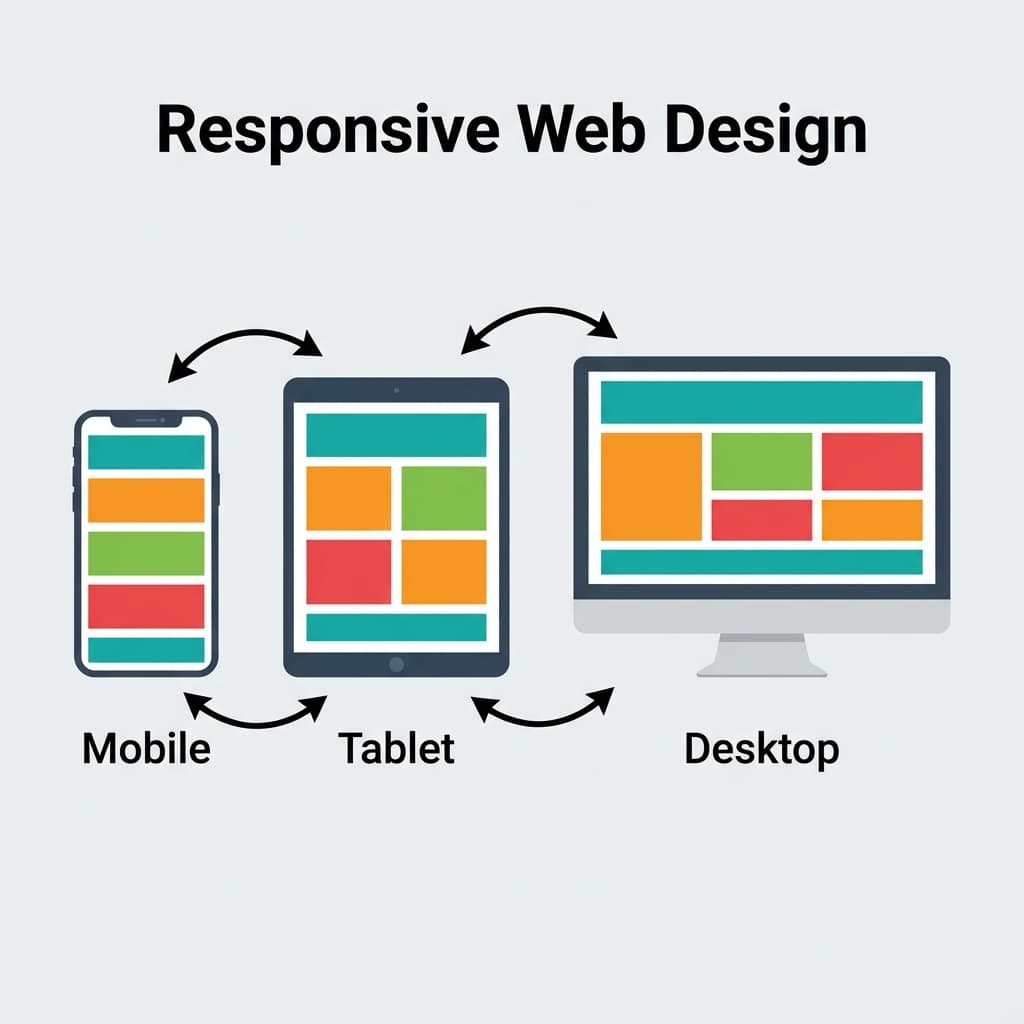
Web Design Services Melbourne - What to Look for in a Local Agency
Discover what makes a great web design service in Melbourne and how to find the right agency for your business needs.

How Much Does a Website Cost in Melbourne? 2026 Pricing
Melbourne web design pricing guide: Get realistic costs for websites in Melbourne in 2026. Learn what different agencies charge, factors affecting price, and how to get the best value for your business.
Website Development Cost Australia 2026 - Pricing Guide
Discover realistic website development costs in Australia in 2026. Get a detailed breakdown of pricing for different website types, features, and complexity levels. Learn what to budget for your web project.
Ready to transform your business?
Discover how Agileitt's solutions can help you achieve your goals.
Get Started